

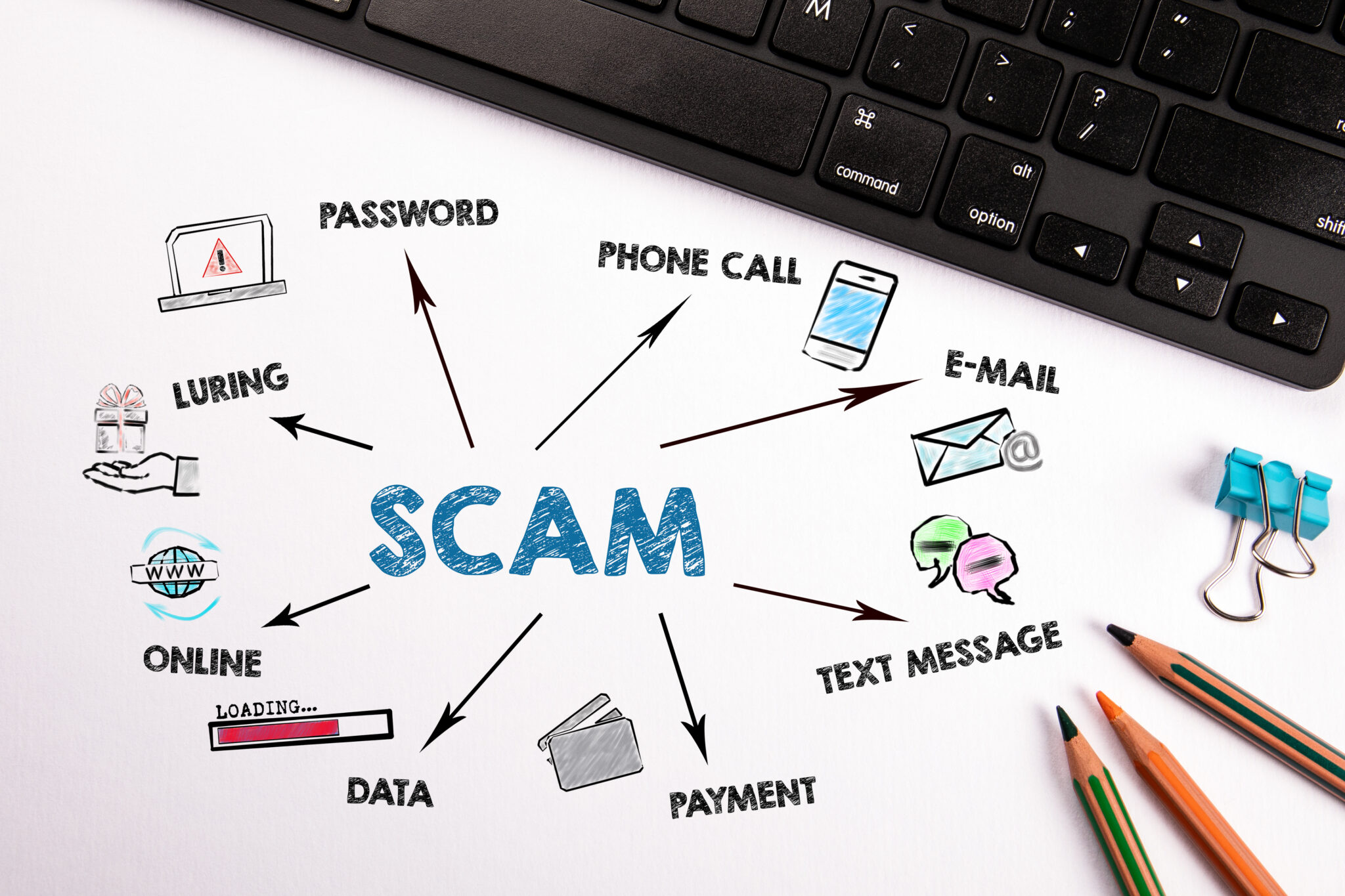
Scam emails can be very convincing, especially if they appear to come from trusted leaders or Trinity staff. From “Can you buy gift cards,” to “A request I need you to handle discreetly,” these messages are designed to manipulate the human sense of trust, urgency, and/or compassion and caring for our neighbors and friends. So: How can we recognize and stop these scams?
 When in Doubt, Ask
If you receive a suspicious email, call, or text, please do not respond to it. To verify the legitimacy of an email, call, or text, please email us at [email protected] or call us at 617-536-0944.
Don’t Click links or Open Attachments
Do not click links or open attachments unless you are certain they are legitimate. Do not download files or attachments from unknown sources.
Check the Sender’s Full Email Address
Even one transposed letter or number can reveal a fake. Trinity will never email you from a non-Trinity email address. Official Trinity Church Boston emails will always come from an address ending in @trinitychurchboston.org.
Watch Out for “Generic” Text, and Typos
Be alert for greetings and/or generic signature line. Typos are another warning sign.
Odd or Vague Requests for Help
Trinity will never ask you to buy gift cards or cryptocurrency. Any legitimate requests will be announced via official channels. For official Trinity news; watch the Sunday bulletin; Trinity’s weekly email; our social media channels (Instagram, Facebook, YouTube, BlueSky, LinkedIn, Reddit); and of course, this website, trinitychurchboston.org.
Report and Delete the Message
Every major email system has a way to report scams. Look for options such as “Report phishing” or “Mark as spam.” This will remove the message from your inbox and also helps your email provider to block similar attempts going forward.