Sermon

Rethinking Heaven
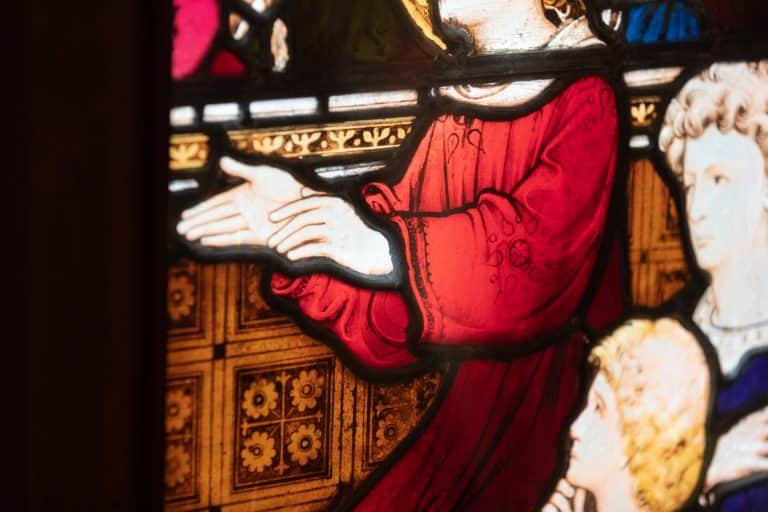
The mystery we encounter in the Ascension is not that Jesus leaves us. The mystery is that Jesus, who we can no longer see, is not really gone from us at all.

The mystery we encounter in the Ascension is not that Jesus leaves us. The mystery is that Jesus, who we can no longer see, is not really gone from us at all.
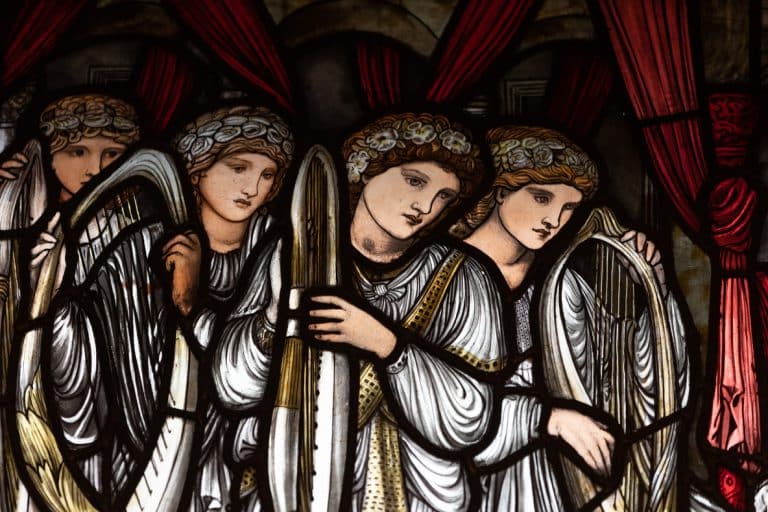
Unfortunately, the first apostles get very little ink in scripture . . . very little portrayal in our iconography, and very little focus theologically in our academies. The first apostles were mothers.

Whether we want Jesus to note where we are located at any given moment is another thing altogether; it reminds me of when we might have called our parents on a Saturday night, trying to hush down the background noises while we were on the phone, the noise indicating that we were at the place we were specifically told not to go.
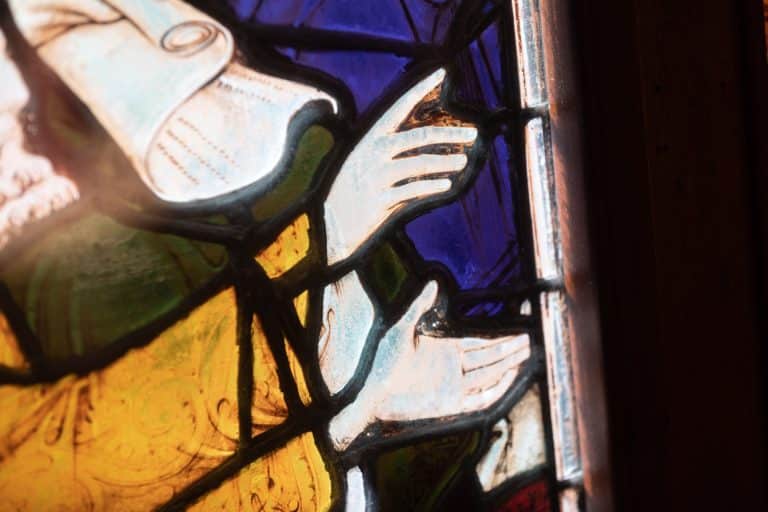

Jesus learns of all this carrying on, and he seeks out the man he gave sight. Note this reversal: Jesus seeking … Jesus pursuing … Jesus making appeal, rather than the other way around.


This simple act of invitation is revolutionary to say this to another person, to stay with me. There is space for you here. Sit at my table, be part of our lives. This is not small. That is straight up resistance to what is out there. It is healing. That is the beginning of resurrection. So they invite Jesus in and Jesus stays, and as this stranger to them sits at the table, something happens.

In the Gospel of John, the Church doesn’t have to wait for the Spirit, as if it were the third act in an extended drama. Instead, the Church shares in the life of the risen Jesus from the very first day.
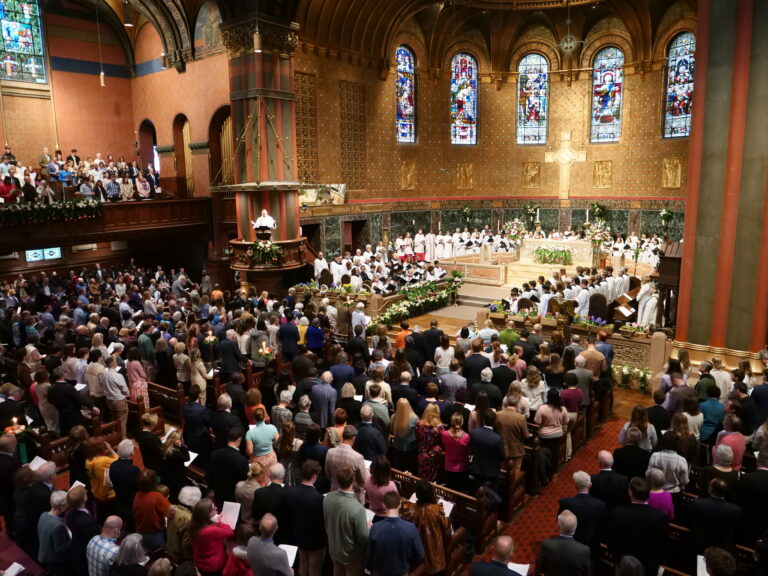
We have made delight dangerous and insulting, fit only for the foolish and the oblivious, the vulgar and the entitled. In these days, we fear joy more than death … yet, believe: there is only one Easter – One Easter! – and it is for you as much as it has been for anyone: for Nellie as much for Laura, for Judas as much as John … And if that can’t be true? Well, then none of it is.
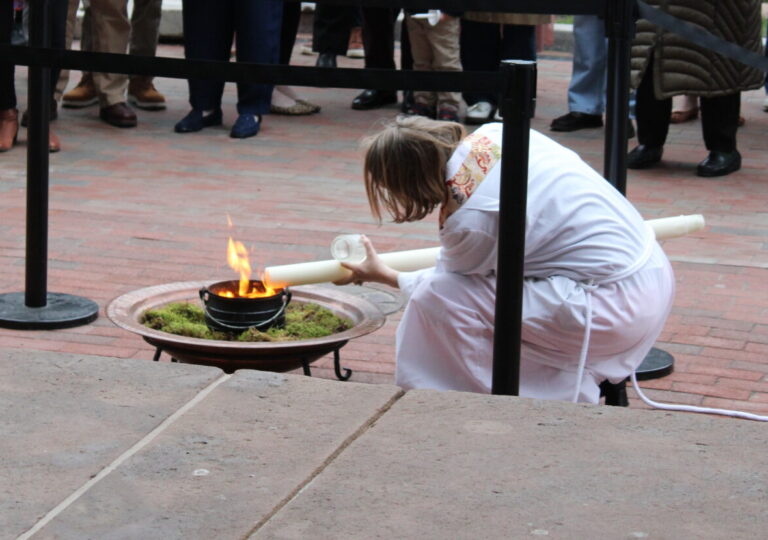
Tonight, we become part of this story. This is not a story we remember. This is a story we enter. And so, we stand in it. We come alongside our ancestors, to join the communion of saints, to take our place in the waters of our deliverance. This is the night…
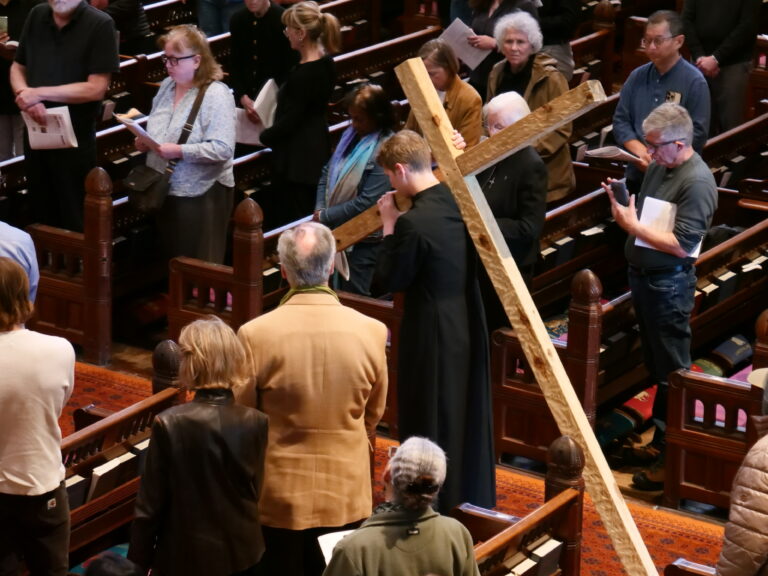

Trinity Church in the City of Boston Good Friday April 3, 2026 Hebrews 4:14-16; 5:7-9 John 18:1-19:42 Psalm 22 Almighty
Asking neither “How did it happen,” nor “What do the details represent,” but what does it mean for us who claim membership in a community of the risen Jesus to tell a story like that, during these days and in a place like this?